 English
 Spanish
 French
 German
 Italian
 Amharic
 Afrikaans
 Arabic
 Chinese
 Japanese
 Korean
 Turkish
 Finnish
 Bengali
 Czech
Czech
 Indonesian
 Danish
 Greek
Greek
 Hindi
Hindi
 Armenian
 Malay
Malay
 Dutch
Dutch
 Norwegian
 Polish
 Portuguese
 Romanian
 Russian
 Swedish
 Thai
Thai
 Vietnamese
 Ukrainian
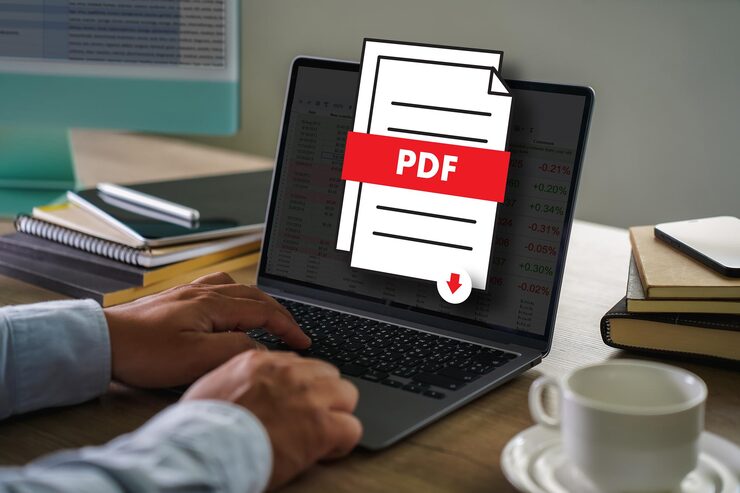
How to Convert Images to PDF Without Losing Quality in 2026
Digital documents dominate work and education environments across the world now. People now choose screens and cloud storage because paper creates cost waste and access limits. Image files appear everywhere, yet users need stable formats like PDF for long-term record keeping.
PDF files give a consistent layout, security, and compatibility across devices, platforms, and software. Professionals and other users trust PDFs when they share images with clients, schools, courts, and offices. The format preserves quality and order, which supports clarity during reviews, approvals, and archives.
Image to PDF conversion solves common problems related to storage, search, and controlled access. Organizations save time when they bundle scans, photos, and charts into single files. This process supports compliance, collaboration, and trust in a fast digital document economy worldwide today and tomorrow everywhere.
The following is a comprehensive guide on how to convert image to PDF using secure online tools. You will explore top conversion software and can choose the one that suits you.
What Happens When You Convert an Image to PDF?
Image to PDF conversion manages resolution so images keep clarity across screens and printers. The process sets pixel density values that control sharpness during zoom viewing and printing. Clear resolution handling supports readable text lines and prepares the image for reliable page layout. Strong resolution choices prevent blur and support future edits and reuse.
Page sizing defines the canvas so each image fits standard document dimensions consistently. Alignment rules place content centrally and control margins, which improves balance and professional appearance.
Proper alignment also helps readers scan pages quickly on different devices. Consistent sizing and alignment guide the next decision about data reduction and visual fidelity.
Compression choices reduce file size while protecting details such as edges, colors, and readable text. Smart settings balance storage needs with viewing quality across email sharing, archives, and cloud tools. These steps create dependable PDFs that connect resolution, layout, and quality goals.
Benefits of Converting Images to PDF
Storing or sharing images in PDF format comes with benefits like:
1. Professional formatting
PDF format gives images clean margins, consistent fonts, and a reliable page structure. Businesses present visuals confidently when every page follows uniform design rules. Design consistency strengthens brand trust during proposals, reports, and official communication. Professional formatting reduces confusion and speeds understanding among diverse audiences worldwide.
2. Easier sharing and storage
PDF files simplify sharing across email platforms, messaging apps, and secure portals. Smaller file sizes save storage space without harming essential visual clarity. Teams can organize documents faster because single PDFs replace scattered image files. Easy access supports smoother collaboration across departments, locations, and time zones.
3. Multi-image documents
PDF conversion combines multiple images into one structured and readable document.
Users can review related visuals together, which improves context comprehension and decision accuracy. Multi-image PDFs suit manuals, portfolios, case files, and training materials.
This approach saves time during navigation approval processes and long-term archiving. Single documents simplify printing, reviewing, and storing complex visual records efficiently across teams globally.
Best Image to PDF Converter Tools in 2026
The following are some of the most reliable tools to convert images to PDF.
1. Adobe Acrobat
Adobe Acrobat remains one of the most trusted tools for converting images into PDFs with polished results. Users can upload JPG, PNG, TIFF, and other image formats directly in the browser and get a high-quality PDF output. Adobe invented the PDF format, so its tools integrate smoothly across desktops, mobiles, and cloud services.
Pros
- Outputs professional-level PDF quality suitable for business or legal use.
- Works online without installation and supports many image types.
- Offers additional PDF editing functions like merge, OCR, and page organization
Cons
- Offers additional PDF editing functions like merge, OCR, and page organization
- Online interface may be slower than lightweight alternatives
- Not as beginner-friendly as simpler online tools
2. Smallpdf
Smallpdf delivers an easy image-to-PDF conversion experience with a clean online interface. It supports drag-and-drop uploads and lets users save converted files directly to cloud storage. The platform also includes tools for merging, splitting, and compressing PDFs.
Pros
- Very intuitive and fast interface for uploading and converting images
- Cloud connectivity with Google Drive and Dropbox for convenience
- Works on all devices without software installation
Cons
- Free use is limited in the number of tasks per hour
- Large file conversion may take longer to upload and process
- Some advanced features are locked behind a Pro subscription
3. iLovePDF
iLovePDF focuses on simplicity and speed, and offers batch conversion and easy orientation or margin adjustment before converting images to PDF. It supports cloud import from Google Drive or Dropbox and is accessible via desktop and mobile browsers.
Pros
- Supports bulk image uploading and merging into single PDFs.
- Easy to change page orientation and margin settings before conversion.
- Free and browser-based, no app download required .
Cons
- Free features have usage limitations.
- Lacks some advanced editing after conversion
- Occasional ads can appear in the free version
4. Google Drive
Google Drive lets users convert images to PDF by uploading images into Drive and then using the “Download as PDF” feature from Drive’s menu. This method is straightforward and ideal for users already working within the Google ecosystem.
Pros
- No external tools are needed beyond a Google account.
- Works reliably with other Google services like Docs and Sheets.
- Offline apps sync if used with the Drive desktop/mobile.
Cons
- Conversion options are basic compared with dedicated tools.
- No built-in PDF editing tools before or after conversion.
- Requires a Google account login.
5. Canva
Canva combines image editing with conversion features so you can adjust photos before creating a PDF. It is popular with designers, educators, and casual users who want creativity and simplicity in the same workflow.
Pros
- Friendly interface with image editing buttons before conversion.
- Supports creative design additions before creating a PDF.
- Works on desktop and mobile devices without software installation.
Cons
- PDF creation tools are more design-oriented than technical.
- Some export features require a Canva Pro account.
- Output sizes may be larger than with other converters.
Here is a brief comparison of the tools mentioned above.
| Tool Name | Ease of use | Output Quality | Free Feature Limits | Best Use Case |
|---|---|---|---|---|
| Adobe Acrobat | High | Very High | Limited | Professional and legal documents |
| Smallpdf | Very High | High | Moderate | Quick everyday conversions |
| iLovepdf | High | High | Limited | Batch image to PDF conversion |
| Google Drive | Medium | Medium | Generous | Google ecosystem users |
| Canva | High | Medium | Limited | Canva High Medium Limited Creative and visual document design |
Step-by-Step Guide: How to Turn an Image Into a PDF
Step 1: Upload image
Choose a trusted converter tool and upload the image from your device. Confirm the upload preview shows correct colors, clarity, and full content.
Step 2: Adjust size and orientation
Adjust page size, orientation, and margins so the image fits cleanly. Check alignment carefully because proper layout improves reading and printing results.
Step 3: Convert and download
Select the convert option and wait briefly while the tool creates the PDF. Download the finished PDF and store it securely for future access. Review the saved file to confirm quality layout and correct page order.
How to Convert Multiple Images Into One PDF
Reordering images helps create a logical flow before combining files into one document. Users can drag thumbnails into sequence, which improves readability and professional presentation. Many tools support JPG, PNG, and HEIC formats within single conversion sessions.
Mixed image types merge smoothly when resolution and orientation settings stay consistent. This approach saves time and simplifies sharing storage and review tasks in the overall process.
Conclusion: Create Clean, Professional PDFs From Images in 2026
Image to PDF conversion supports clarity, security, and long-term document reliability. PDF format keeps layout consistent across devices, platforms, and professional workflows. Users can benefit from easier sharing, storage control, and organized multi-image documents.
Adobe Acrobat, Smallpdf, iLovePDF, Google Drive, and Canva serve different user needs. Each tool balances ease, quality limits, and features based on workflow priorities. Choice depends on budget, frequency, design needs, and required output consistency.
Clear steps mentioned above help users understand how to turn an image into PDF confidently. Simple upload adjustment and conversion actions reduce errors and save time. Reliable tools and proper settings ensure professional results in modern digital environments.
FAQs
What is the best image to PDF converter in 2026?
The best image-to-PDF converter depends on usage needs and workflow preferences. Adobe Acrobat suits professional quality, while Smallpdf and iLovePDF suit quick tasks. Canva works well inside familiar platforms and creative environments.
Can I convert images to PDF for free?
Many online tools offer free image-to-PDF conversion with basic features. Smallpdf, iLovePDF, Google Drive, and Canva provide limited free usage options. Free plans usually include restrictions on file size, frequency, or advanced settings.
Does image quality drop after conversion?
Image quality usually stays stable when correct resolution and compression settings apply. Most modern tools protect the sharpness, colors, and readable text during conversion. Quality issues appear only when aggressive compression or poor settings are selected.
Can I combine multiple images into one PDF?
Most image-to-PDF tools support combining multiple images into one document. Users can reorder images before conversion to maintain logical reading flow. This feature suits reports, manuals, portfolios, and organized record-keeping needs.