 English
 Spanish
 French
 German
 Italian
 Amharic
 Afrikaans
 Arabic
 Chinese
 Japanese
 Korean
 Turkish
 Finnish
 Bengali
 Czech
Czech
 Indonesian
 Danish
 Greek
Greek
 Hindi
Hindi
 Armenian
 Malay
Malay
 Dutch
Dutch
 Norwegian
 Polish
 Portuguese
 Romanian
 Russian
 Swedish
 Thai
Thai
 Vietnamese
 Ukrainian
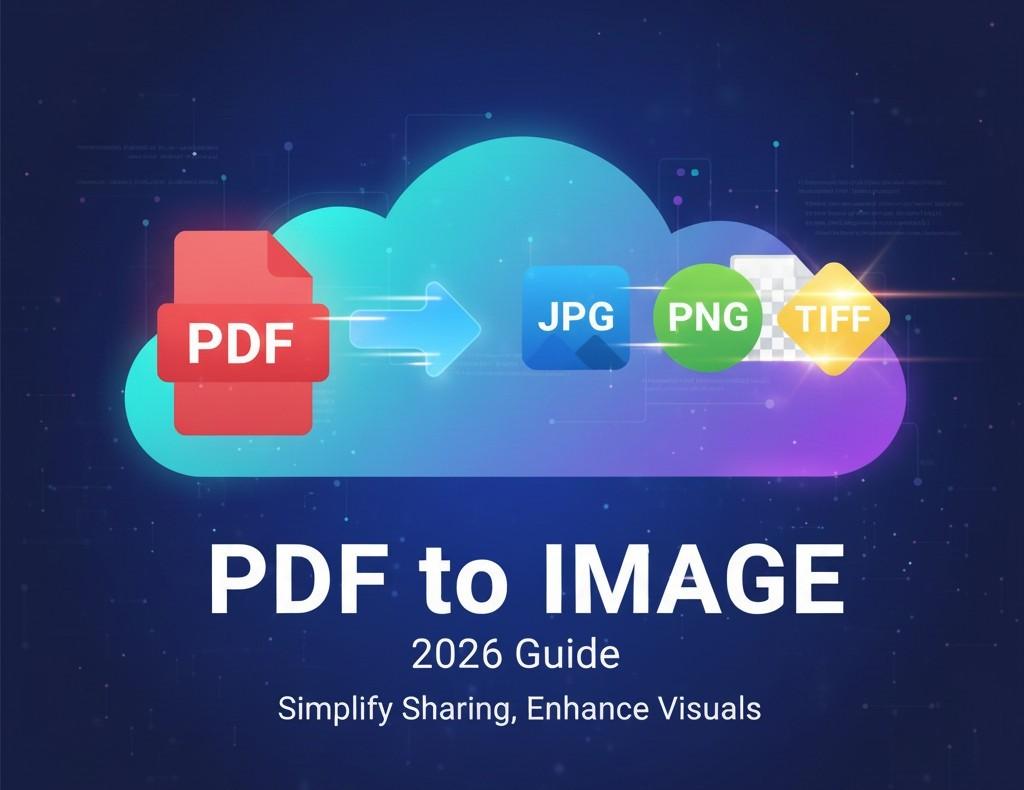
How to Convert PDF to Image (JPG PNG TIFF) in 2026
Where PDF is the most used format for sharing data in educational or professional settings, there are many circumstances where images do better. For example, images make it possible to share information easily across modern social platforms and keep the layout consistent everywhere.
PDF pages converted into images load faster on feeds and attract more attention. Creators avoid format errors on phones when they share image files online. Image files also support captions, stickers, and cropping features on popular apps.
Presenters prefer images because slides display them smoothly without reader software. Converted images keep fonts, colors, and spacing stable during live presentations. Teams insert images into slides quickly and avoid broken links issues. This approach saves time and improves visual clarity for audiences. Converting PDF files to images may affect the output if you are not using the right tools. Here is a detailed guide on how to convert PDF to image using trusted platforms.
What Happens When You Convert PDF to Image
How do these tools actually convert PDF to images? Well, page-by-page rendering turns each PDF page into a separate image file. This process keeps page order clear and supports easy viewing on many devices. Each image mirrors the original page layout text and graphics accurately. Creators gain control because every page stands alone without navigation issues.
Resolution settings then define image clarity, which directly affects readability and file size. Higher resolution produces sharper text but increases storage needs across platforms. Lower resolution reduces file weight yet risks blurry details on large screens. Together, page rendering and resolution choices shape final image quality and practical usage.
Best PDF to Image Converter Tools
Here is a clear overview of the best PDF to image converter tools with pros and cons.
1. Adobe Acrobat
Adobe Acrobat offers a reliable way to turn PDF pages into JPG images online. The tool works in any web browser and keeps every page layout intact. Users can pick different formats before downloading images.
Pros
- Creates high-quality image files that preserve the original layout and detail
- Works in any browser without software installation
- Includes support for JPG, PNG, and TIFF output formats
Cons
- Some advanced features require an Adobe account sign-in
- Free conversions are limited compared to paid tools
- Online conversions involve uploading files to Adobe servers
2. Smallpdf
Smallpdf provides simple PDF to image conversion with no file limits and no account requirements. Users upload files and then download each page as a separate image. The interface is clean and easy for beginners.
Pros
- No file size limits and free usage without signup
- Works across devices with a browser
- Offers secure conversions with automatic file deletion
Cons
- Some advanced extraction tools require a paid trial
- The free version limits batch processing speed
- Occasional advertisements on the website can interrupt workflow
3. PDF24
PDF24 provides a free online PDF to images converter that supports quality adjustments. Users can drop files into the web page and download the converted JPG or PNG files. The tool works on all common operating systems.
Pros
- Free and honest interface with no hidden fees
- Adjustable image quality before conversion
- Works with any browser and operating system
Cons
- Requires internet access to convert
- The interface may feel basic compared to competitors
- No advanced editing inside the tool
Let's have a brief comparison between these tools.
| Feature | Adobe Acrobat | Smallpdf | PDF24 |
|---|---|---|---|
| Free Option | Yes, limited | Yes, strong | Yes, full access |
| Output Formats | JPG, PNG, TIFF | JPG, PNG | JPG, PNG |
| Requires Account | Sometimes | No | No |
| Adjustable Quality | Limited | Basic | Yes |
| Works on Any Device | Yes | Yes | Yes |
Step-by-Step: Save PDF Pages as Images
Here is how PDF to image conversion usually takes place on different platforms.
- Open the converter tool and upload the PDF file from your device.
- Check that all pages appear correctly in the preview section area.
- Select an image format, such as JPG or PNG, from the options.
- Adjust resolution settings based on clarity needs and expected file size.
- Confirm the conversion process and wait briefly while pages convert successfully.
- Download the image files individually or as a single compressed folder.
- Store the images securely and review quality before any external distribution.
Best Formats: JPG vs PNG vs TIFF
| Format | Key Characteristics | Common Use Cases |
|---|---|---|
| JPG | JPG offers compressed images with smaller file sizes and acceptable visual quality. This format works well on most devices and platforms. | Social media sharing benefits from JPG because platforms load these images quickly. Websites also prefer JPG for faster page performance. |
| PNG | PNG supports lossless quality and transparent backgrounds with sharp visual details. This format keeps text and graphics very clear. | Designers use PNG for logos, screenshots, and graphics requiring transparency. Educational content also benefits from clear text rendering. |
| TIFF | TIFF stores images with very high quality and minimal compression loss. This format creates larger files but preserves details. | Printing industries rely on TIFF for professional publishing and archival storage. Medical and technical fields also prefer precise image accuracy. |
Conclusion: Convert PDFs to Images with Precision
Overall, PDF to image conversion solves sharing and display challenges across modern platforms. Images maintain layout stability and increase engagement across social and professional environments. This advantage explains why many users now prefer image formats for communication.
Understanding conversion behavior helps users control quality and performance outcomes. Page rendering and resolution choices directly shape clarity and file size results. Smart decisions here ensure images match device limits and audience expectations.
Reliable tools and correct formats complete an effective conversion workflow. Trusted PDF to image converters simplify steps while protecting layout and visual accuracy. Careful format selection then ensures images serve presentation sharing and storage needs efficiently.
FAQs
Can I convert PDF to image for free?
Many online tools allow PDF to image conversion without payment. Free options let users upload files and download images instantly. Some tools may limit batch processing or advanced features. Always check file size and platform restrictions before starting conversion.
Which image format is best?
Choosing the best format depends on usage needs. JPG works well for social media and websites. PNG preserves transparency and sharp details. TIFF provides high quality for printing and professional archives. Consider clarity, file size, and platform compatibility when selecting a format.
Does PDF to image reduce quality?
Image quality depends on resolution settings and conversion tools used. High-resolution conversion keeps text and graphics clear. Low-resolution settings may create blurry or pixelated images. Selecting reliable tools and proper formats ensures minimal quality loss during conversion.